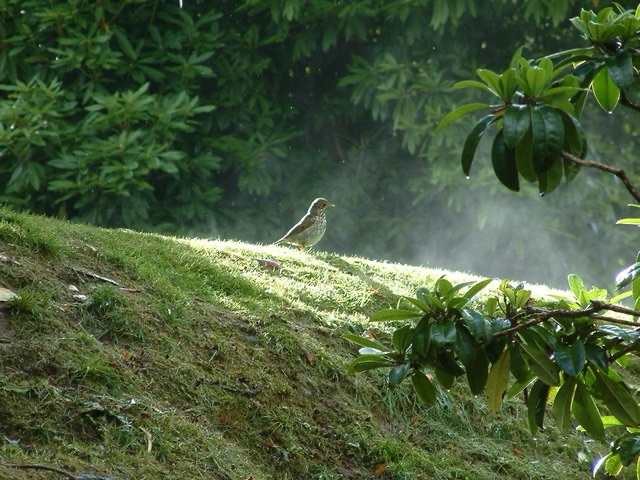
An increasingly rare sight these days is my favourite early songbird, the Song Thrush. I miss the thrushes’ clear phrases awaking the dawn of early spring and echoing over the village in early evening. Is this a going to be a silent Spring?
The Song Thrush
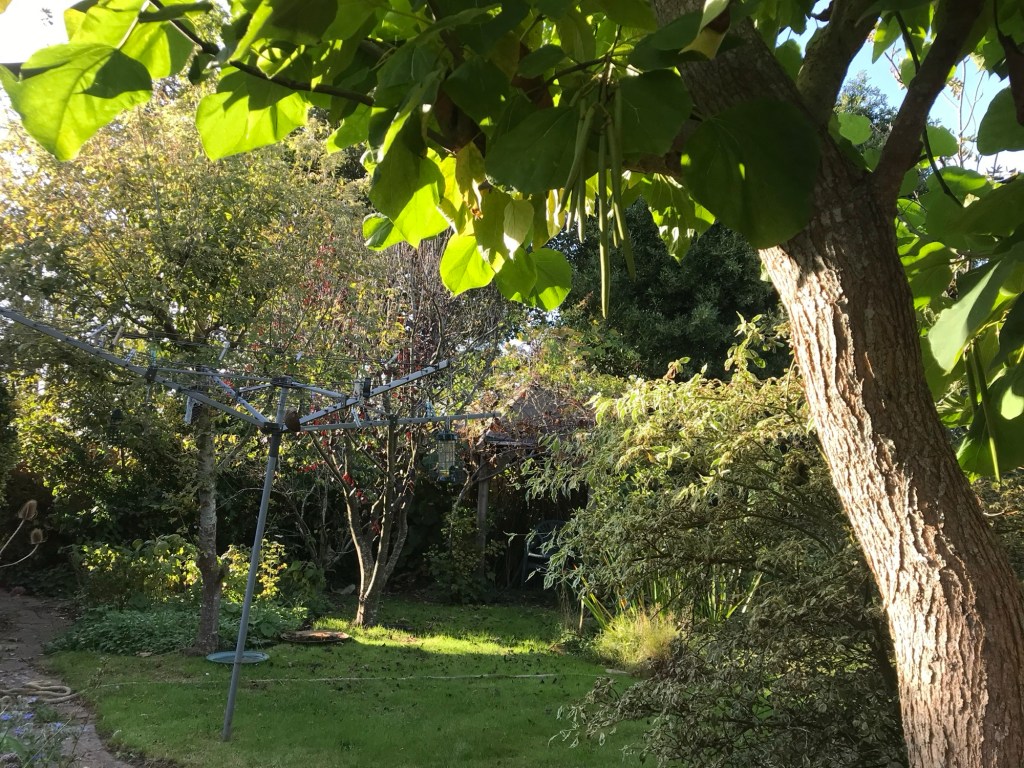
When we first retired here in Sussex Song Thrushes regularly visited our garden. Sadly, in the last few years their striking song has been missing.
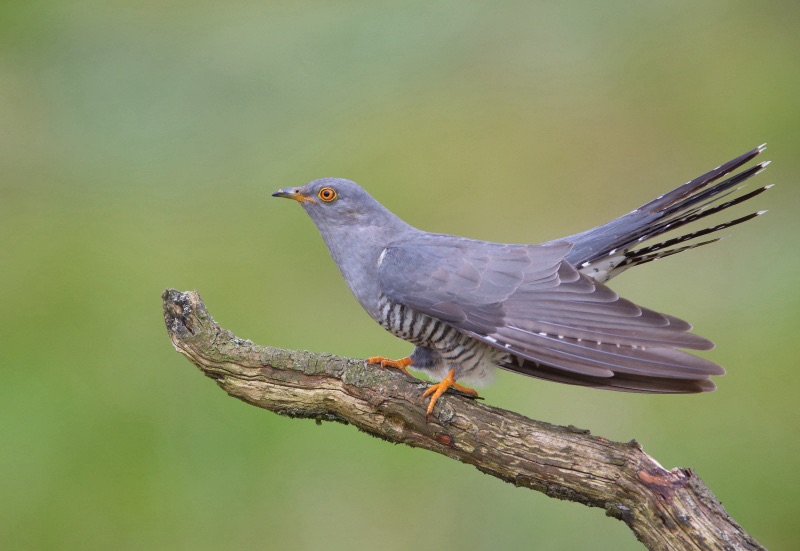
Sounds of a traditional English Spring
Last Call for the Cuckoo?
“Thrice welcome, darling of the Spring!
Even yet thou art to me
No bird, but an invisible thing,
A voice, a mystery;
The same whom in my school-boy days
I listened to; that Cry
Which made me look a thousand ways
In bush, and tree, and sky.
To seek thee did I often rove
Through woods and on the green;
And thou wert still a hope, a love;
Still longed for, never seen.”From Wordsworth’s poem ‘To the Cuckoo’
I grew up with Cuckoos each year calling in mid April across the fields behind our house.
The haunting call of this elusive bird, heralding-in our English springtime; its notes echoing over the spring landscape, is something fast fading into myth and legend.
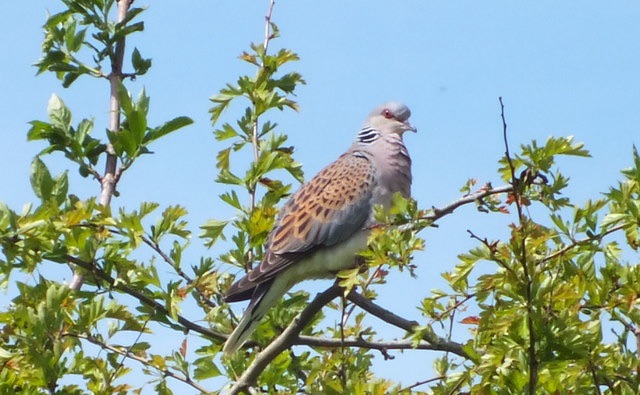
The flowers appear on the earth; the time of the singing of birds is come, and the voice of the turtle (dove) is heard in our land
Turtledoves
With their gentle purring call these birds bring back England’s old summer music with its echoes of an ancient Biblical age. But now its voice is rarely heard in our land.
So too is the summer chirp of crickets and general buzz of insects. The ‘Little-bit-of – bread- and- no-cheese’ call of the Yellowhammer sounding from the hedgerows down country lanes. Buddleia bushes covered with small tortoishell butterflies. Dead insects splattered over car windscreens after a journey in the countryside.
The Nightingale
The magical song of Nightingales ringing through the still night air has inspired poets, singers and writers for centuries. It is entwined in our folklore and national culture. Shakespeare, Milton, Coleridge, Clare, all wrote of this songbird. Keats’ famous ‘Ode to the Nightingale‘ was inspired by a bird singing in his Hampstead garden in 1819. (see ‘A Night with the Nightingales). Sadly this beautiful song is rarely heard today.
Fled is that music
Adieu! adieu! thy plaintive anthem fades
Past the near meadows, over the still stream,
Up the hill-side; and now ’tis buried deep
In the next valley-glades:
Was it a vision, or a waking dream?
Fled is that music:—Do I wake or sleep?
Is it adieu to the traditional sounds of spring and summer or is there hope? I want to dream.
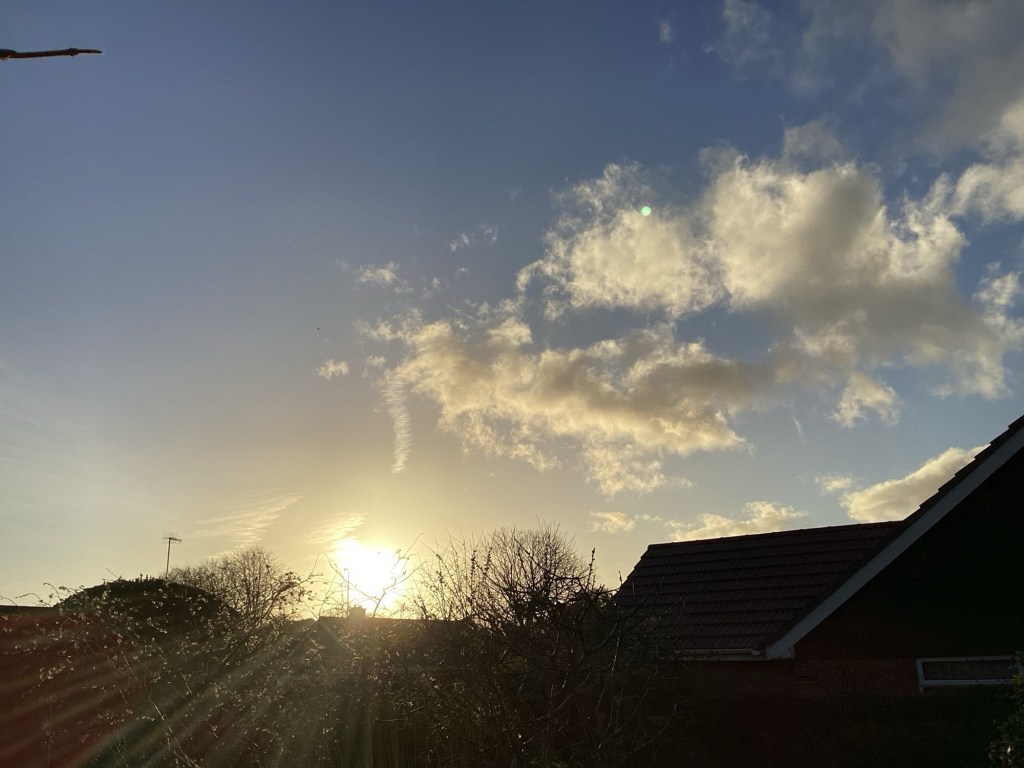
When I read the old writers and poets I ‘m filled with a touch of envy. Their cast of birdsong in the past was so much richer than ours. Nowadays our number of endangered Red listed birds grows annually. Rachel Carson’s concerns in her book ‘Silent Spring’ are being increasingly realized.
Signs of Hope
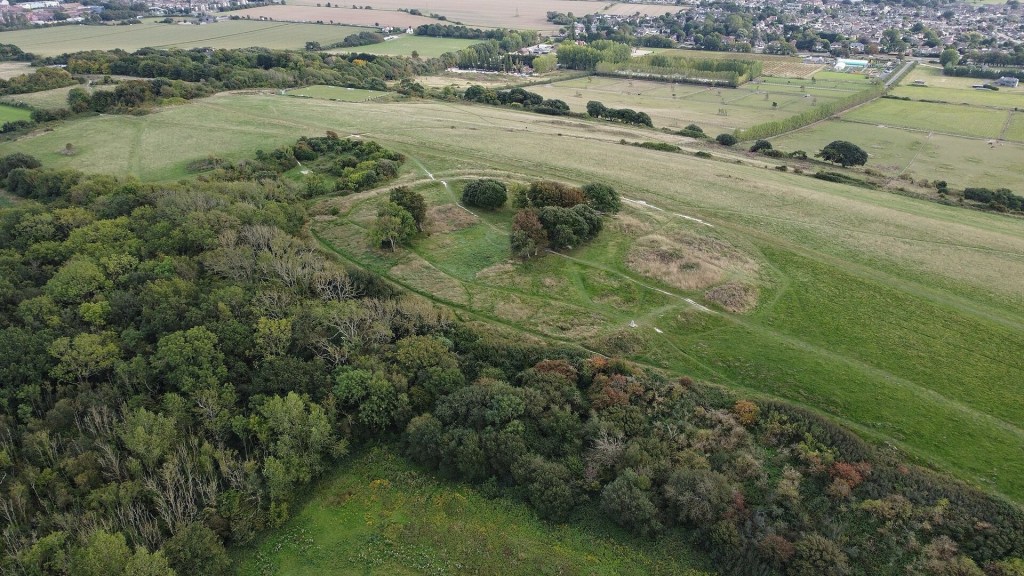
But one encouragement is that we can still hear skylarks singing over these downs for much of the year. There are still Kingfishes nesting by the stream that runs through our village. Elsewhere regenerative wildlife-friendly farming is bringing back the Grey Partridge along with other farmland Birds here on the South Downs.
There’s no silent Spring at Knepp. Turtledoves, Cuckoos and Nightingales are thriving there along with many other red listed birds. When I last heard, there were about 50 pairs of nightingales in the eastate’s scrubby areas. The success of this re-wilding project encourages us to dream of the these songbirds becoming commonplace in Southern England once again.
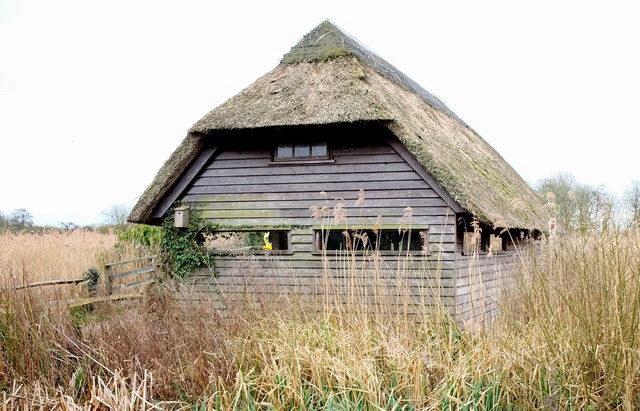
Another refuge for bird song is the local Wildlife and Wetlands Centre at Arundel.
When the habitat is right the wildlife will come.
Thank you for visiting. I hope you can enjoy the Dawn Chorus where you are this year.


I loved this post! Start to finish, your narrative and images were lovely, thank you. Best e-mail of the day!
First — Sussex? Do you know a town called Hailsham? That’s where my husband was born.
So many differences between the avian populations of our two countries…. Where you have the Song Thrush, we have the Wood Thrush. Where you have the Turtle Dove, we have the Mourning Dove.
We have neither Nightingales nor Skylarks, but we do have Yellow-billed Cuckoos.
One tract of the Carolinian Forest ends about 15 feet from our back doors. It is an unspoiled, dense woodland with Mill Creek running the length of it. We hear The Wood Thrush, Cardinals, Blue Jays, Veery (a type of Thrush), the Cuckoos, and Robins of course, every morning when we wake up. Like you, we love the early morning birdsong. What nicer way to begin the day?
Thank you for sharing your story and I hope very much that you do not have a Silent Spring (love the reference to Ms. Carson, BTW). pp
LikeLike
Thank you for your comment.. Great to hear from other lovers of birdsong. Hailsham is only about 20 miles away from us.. It’s near to the Knepp estate that I refer to in the post. I expect your husband remembers the skylarks of the Sussex Downs here. Your woodland sounds a wonderful place for birdsong.
Greetings to you both. Enjoy your Dawn Chorus
LikeLiked by 1 person