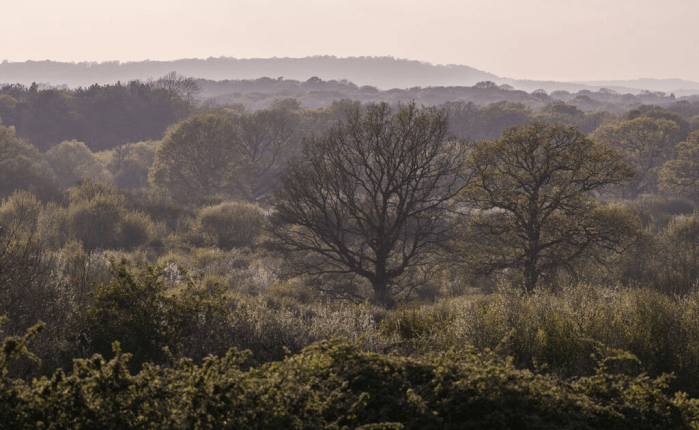
A few steps into the wild wood switched my expectancy. Its silence, which was really the amalgamated sound of its murmurings and snapping, instantly transformed me from adventurer to contemplative. Woods are places to get lost in the books used to say to children.
Ronald Blythe
Woodland Ecology
The woods, at this time of the year, are busy with activity. Jays and squirrels burying acorns, a whole host of bird droppings depositing seed from the fruit of hawthorn, blackberry, elderberry and wild cherry.
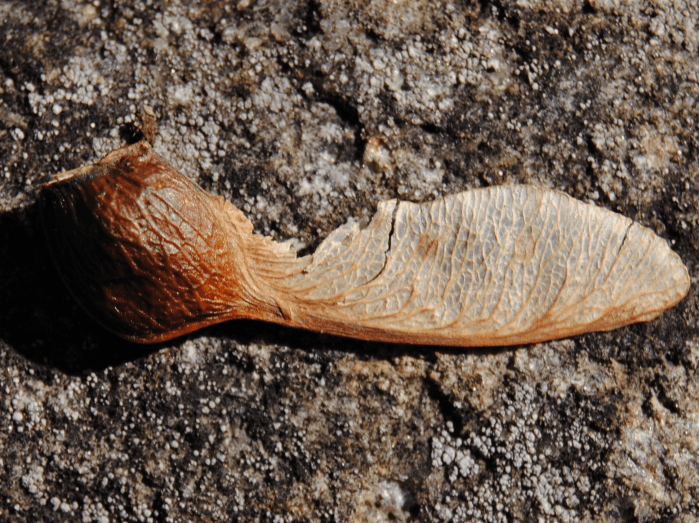
Tree seed cases drift out from an established wood. Ash and sycamore seeds come spinning from the woodland edge, birch seeds float in the wind, beech mast is buried by mammals.
Tree roots and mycorrhizal fungi are at work underground spreading out from the wood edge. Brambles reach out long stems to colonize new areas. Vigorous blackthorn grows out from the hedges forming a protective scrub cover in which birch trees begin to appear with hazel, ash, field maple…The wood is growing at no cost and with no human involvement. This is how deciduous woods grow.
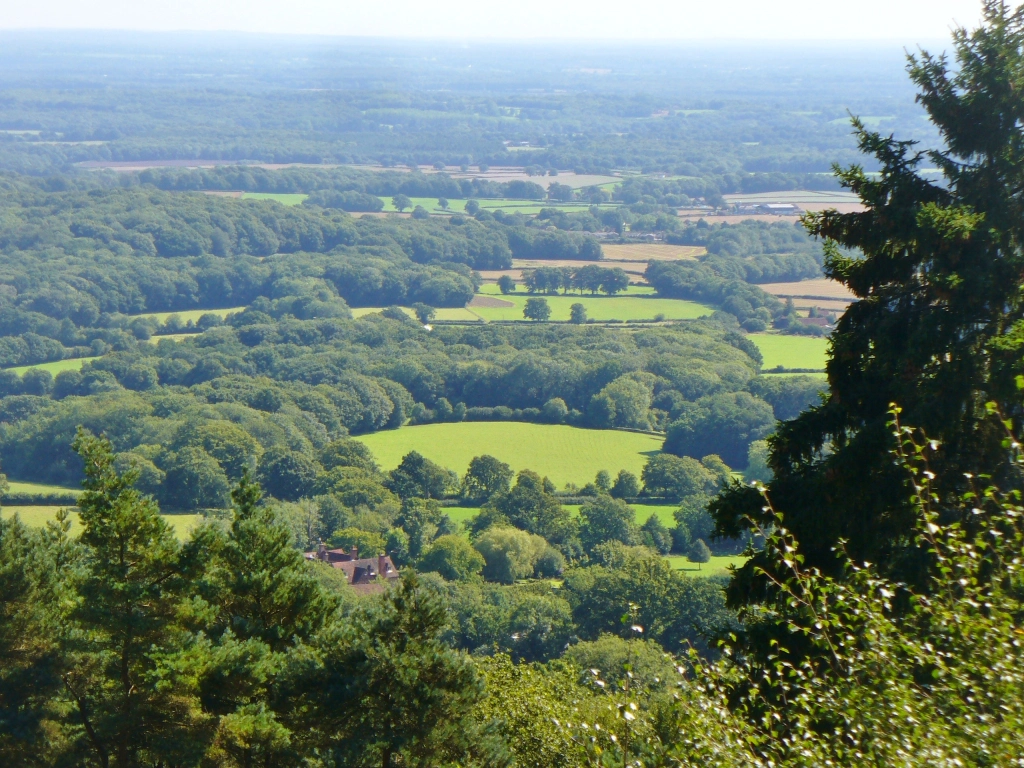
“We have carelessly lost so much of our woodland, and so much of our historical and literate landscape with it ….. we are left with small isolated pockets, leftovers. These have become the guardians of our dreams of greenwood liberty, of our wildwood, feral, childhood selves”
Roger Deakin in ‘Wildwood’
Tree Planting
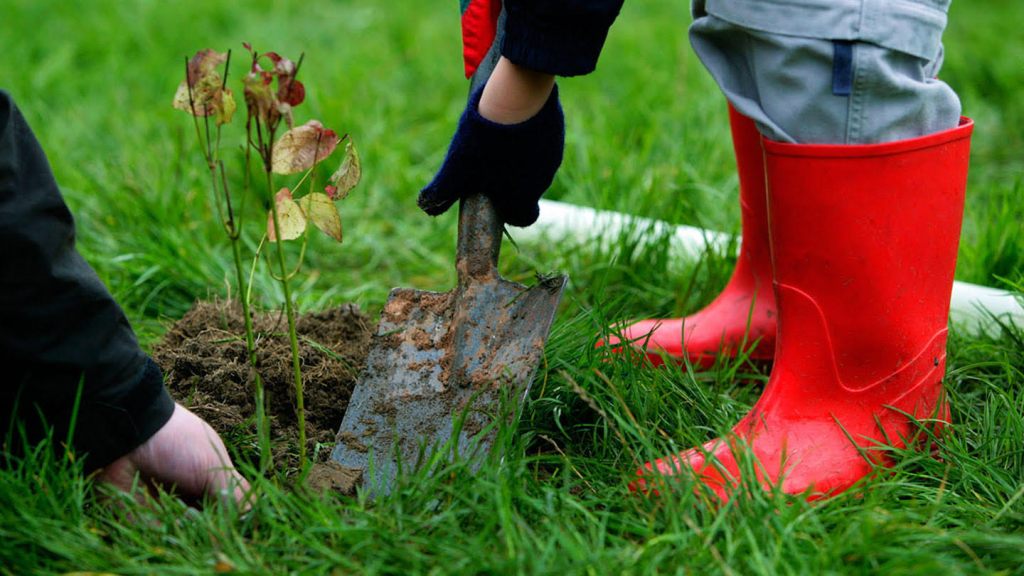
Others are busy too in this the tree planting season. Open fields will be filled with eager faced children with coats, gloves, wellies, spades, plastic guards and bundles of tree saplings to be planted in rows across the open field. They have been encouraged to do their bit to plant some trees and ‘save the Planet’. Very commendable effort and something all children need to try. But at best, if the trees survive, what is being made is a plantation of trees not a wood. It will have no protective under-wood of scrub, brambles, blackthorn and little or no essential mychorizal links with the fungal network of a close deciduous wood. The tree saplings will have been grown in a nursery somewhere else, but not from local seed.
Perhaps it would be even better to take the children to the edge of an established wood to observe how nature does it so much better.

The current spades-in-the-ground approach, however well intended almost invariably results in…. single generation woods, that are plantations in all but name and notoriously poor habitat for wildlife.
See Isabella Tree and Charlie Burrell’s comprehensive new book ‘The Book of Wilding’
Richard Maybe wrote critically of tree planting schemes. He called them:
“Our great annual ritual of reparation, a token of our desire to make amends, we seem to doubt trees’ ability to reproduce themselves without our help”
Natural Regeneration of Woods
But at Knepp after 23 years of deliberate neglect the 3,500 acres now look like the top photo. This is how woods grow naturally without human intervention. Recent research has shown that such woods that have developed by natural regeneration can potentially absorb 40 times more carbon than plantations, and a much greater genetic diversity providing a home for many more species and costing up to 76% less.
A recent report from Kew Botanic Garden suggests that Natural Regeneration should be the priority method of re- establishing our lost British woodland. Isabella and Charlie’s book suggests various options for achieving this.

“To enter a wood is to pass into a different world in which we ourselves are transformed. It is no accident that in the comedies of Shakespeare, people go into the greenwood to grow, learn and change. It is where you travel to find yourself, often, paradoxically, by getting lost
Roger Deakin ‘Wildwood’
We and our children in UK need woods where we can find ourselves by getting lost in wildness, and in the process find adventure turning into contemplation at the wonder of wild woods.


I haven’t been in a wood for so many decades that I can only absorb your words and try to see and feel them
LikeLike
Thank you June. Woods are such wonderfully enriching places. Many of us have happy memories of exploring them as children, climbing trees, looking for wildlife, hearing the crack of twigs and the crunch of dead leaves under our feet. Sadly, few children today are able to do this, to their great loss.
LikeLike