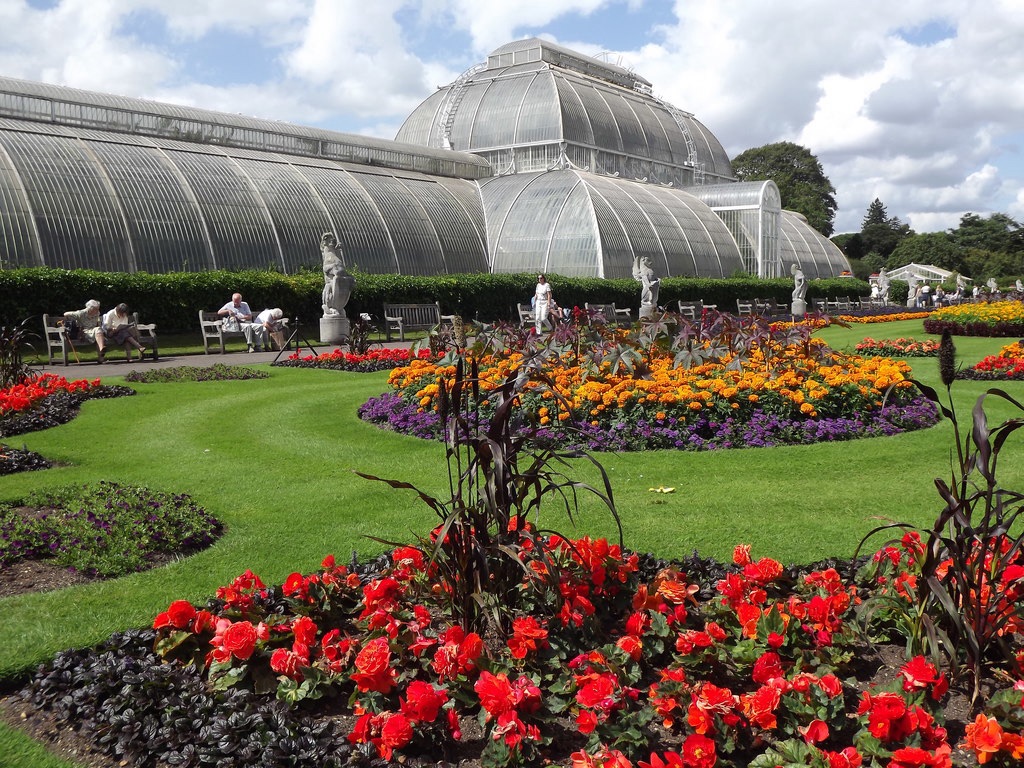
The Royal Botanic Garden Kew is a paradise of plants, including this unmistakable London icon, the Palm House. Kew is the largest botanical garden in the world. A World Heritage Site and a centre of international importance. It’s also a place of history, founded as a royal garden by Augusta the mother of George III. It was opened to the public in 1759.
Kew Gardens
Click on the small images to enlarge.

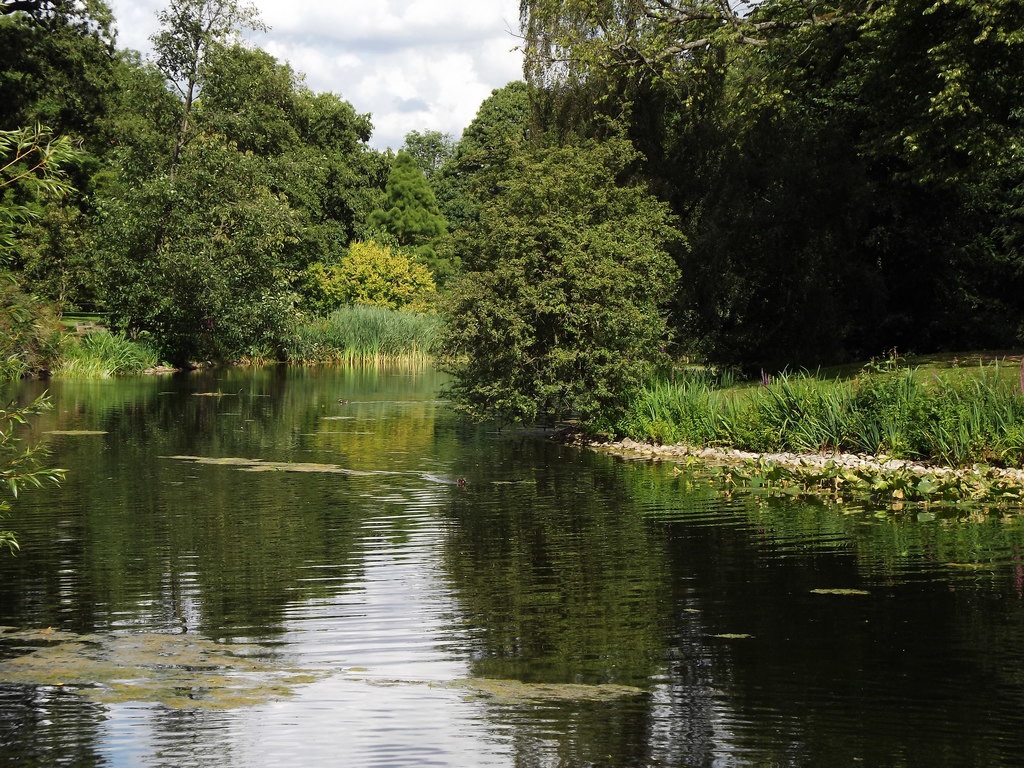

Photo by Ruth Sharville
On a sunny day in summer there is much to see at Kew. It offers a refreshing day out among the quiet peace of trees and plants, away from the noise and bustle of the City.
Set among the large woodland of specimen trees is the Pagoda. From its top there is a grand view of the gardens with the City beyond. Many of our common garden plants have come from places like China. In spring this Chinese Grove will be full of the colourful blossom of camellias, azaleas, rhododendrons, cherries, and much more. In autumn the autumn leaves will dazzle.
The Palm House

On a wet day most visitors will make for the glasshouses. As you step inside you will be met by the lush, humid atmosphere of a tropical rain forest, but without the snakes, scorpions and biting insects!

But pride of place in the Palm House is the world’s oldest potted plant. The ancestors of this huge cycad plant were growing with dinosaurs in the Jurassic period. It was one of the first specimens brought to Kew from South Africa by Kew plant- hunter Francis Masson in 1775. Weighing over a ton it was re-potted in 2009 by a team of 9 staff! These same staff will have their work cut out this year in preparation for the restoration of the Palm House beginning next year.
If you find the heat and humidity of the Palm House too oppressive you can move on to the Temperate House.
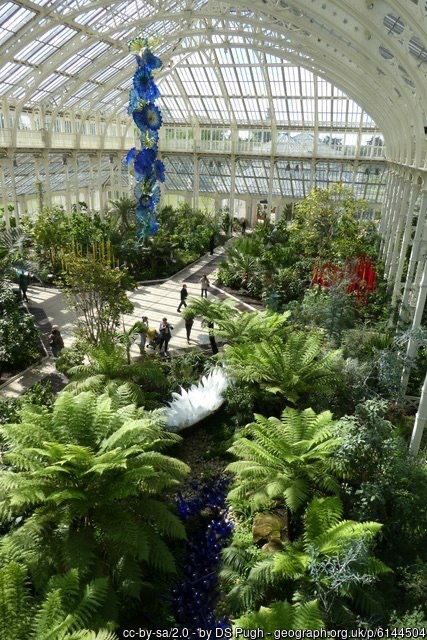
The Temperate House
This is the largest Victorian glasshouse in the world. The building was reopened in 2018 after 5 years of restoration. Here it is much cooler, kept at a minimum temperature of 10 degrees through UK’s winter. It has 1,200 species of plants from the world’s temperate flora.

Photo
Paul Harrop

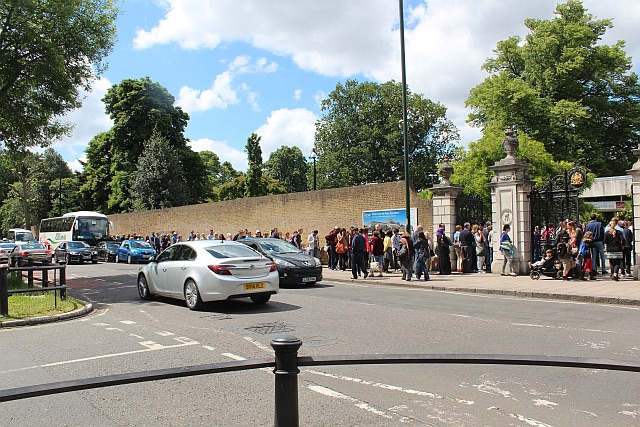
The Princess of Wales Conservatory was opened in 1987. Much larger than it appears, it contains plants from most continents in the world. The Waterlily House is always popular with its giant Amazonian waterlilies.
Plant Loss and Biodiversity
With 40% of world species endangered and some already extinct in the wild, Kew is an important international resource of plants. The behind-the-scenes work of the Herbarium includes thousands of dried specimens, botanical drawings and records of all the plant material. Also there is the Millenium Seed Bank at Wakehurst in Sussex. a world resource of preserved seeds.
Kew Garden is a must-see place with much to discover and do for all ages. It makes a great day out. No wonder so many come here each year.
.
 A Listening Heart