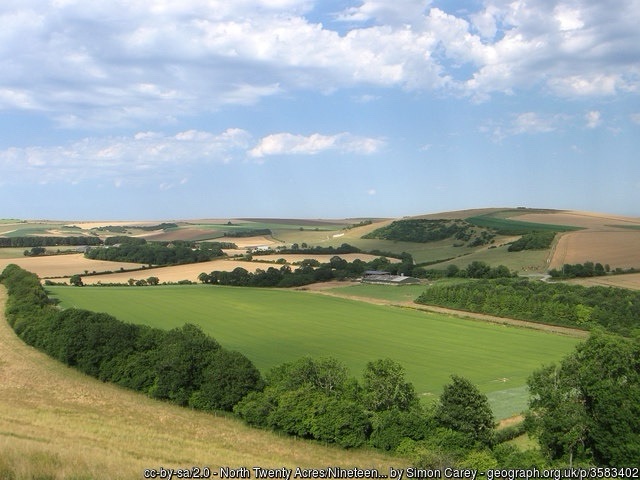
This is the story of our local Angmering Park estate, here on the South Downs, coming back to life – still very much farmland, but with a rapid increase in wildlife and biodiversity. And the wild grey partridges that in 2002 had dwindled to 5 pairs are beginning to return again along with much of the farm’s traditional wildlife.
Our Traditional Farmland Birds
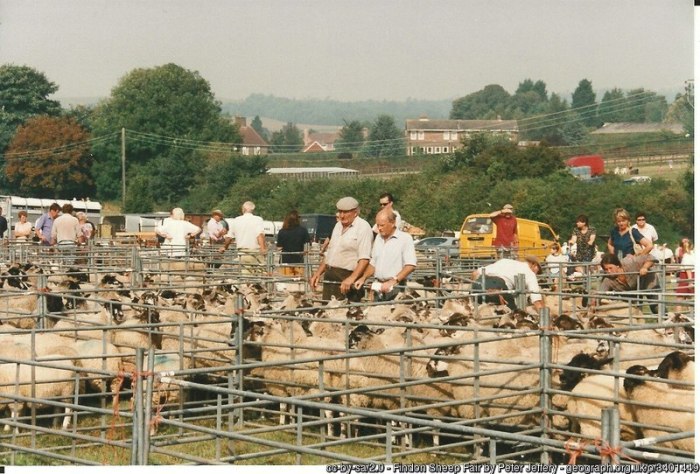
As the gamekeeper sets out on his rounds of the Angmering Park Estate in 1914, the early morning sun is rising over the eastern downs. There are sheep everywhere. The sheep-bitten grassy downs stretch as far as the eye can see. There’s no one else here apart from a few shepherds whose sheep are destined for the historic sheep fair at nearby Findon village.
Skylarks sing overhead and yellowhammers with their calls of a-little- bit- of-bread-and- no-cheese. Corn buntings, linnets, tree sparrows, lapwings, cuckoos, thrushes join in along with much else. The air is humming with insects. Overhead raptors circle after the abundant field mice, voles, rabbits and hares. The purring of turtledoves can be heard and there are grey partridges everywhere.
Habitat Loss
Grey partridges were always part of our countryside for centuries. However, following the drive to produce more food after the Second World War, the whole landscape of the downs was changed. Traditional agricultural practices were replaced by vast fields of arable. The sheep disappeared along with much of the grass- covered downland. As a result wildlife has dwindled drastically.

Wildlife Conservation
This farm field next to our village illustrates the problem. Vast fields with no hedges or trees and no field margins for wild flower seed. Nowhere for birds to nest or creatures to hide from predators. An exposed open field barren of wildlife. A picture of the problems caused by modern farming practices.
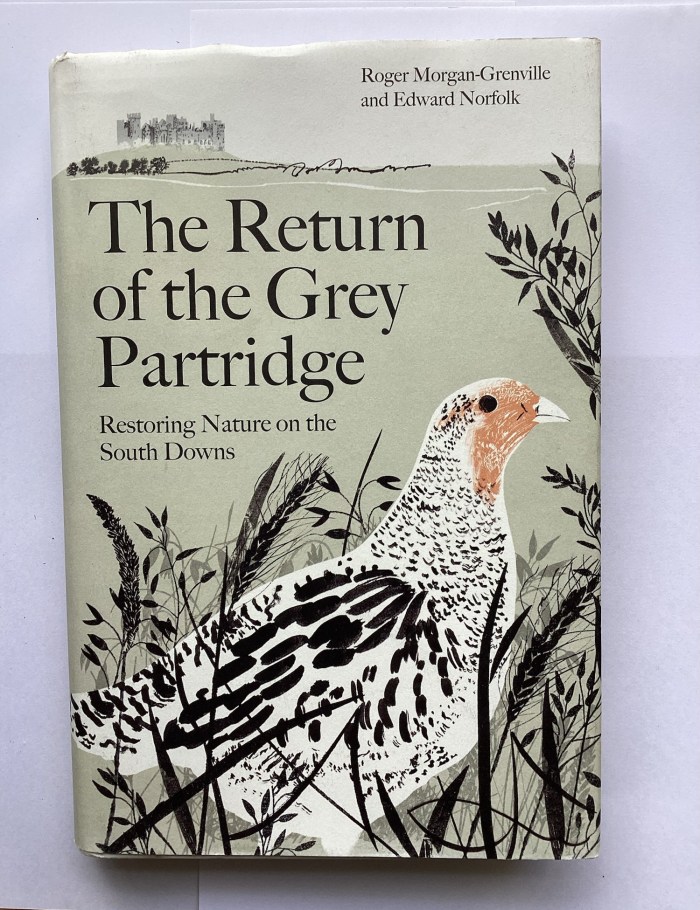
In 2003 Dick Potts, the ecologist on the Angmering Park Estate, reported his latest survey of the perilous state of the wild grey partridges. Hearing this the Park owner, the Duke of Norfolk, and estate manager Peter King determined to do something about it. They began to change the way the estate was farmed, returning to some of the more nature-sensitive traditional practices.
They divided up fields reintroducing more of the traditional South Down sheep-grazed pasture in place of arable. They put back 30-40 kilometers of new hedgerows. Creating wildlife corridors and cover crops as well as beetle banks and wide field margins full of wild flowers for food for birds.
In 2004 the Duke asked the Duke of Edinburgh if the Sandringham estate could spare a few pairs of their grey partridges. In the end Prince Phillip sent 9 pairs. These were captive-reared and were duly released on to the Peppering farm. By 2014 the 11 partridges of 2002 had all been seeing growth in numbers to about 2000 birds each year. Along with the partridges the project has made a huge difference to the wildlife of the farm.
Today
In this clip Conor Haydon, the Peppering Farm manager, comments;
You can stand and listen to the difference it has made. Every day it is different. I love it here.
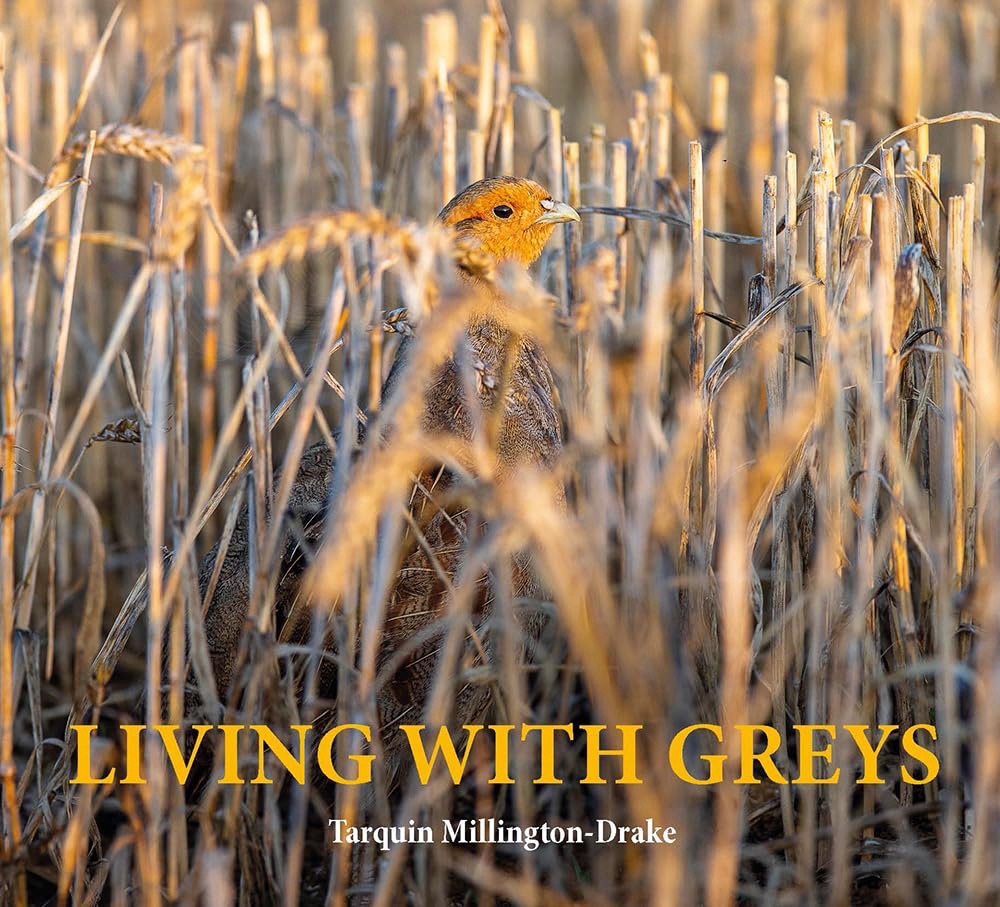
This other book is full of beautiful photographs and descriptions of the charismatic life of the grey partridge.
A Promising Future
There are now six established Farm Cluster Groups in the South Downs National Park, covering approximately two thirds of the Park area. Working together at restoring biodiversity like that at Angmering Park the prospects for the future of the South Downs wildlife are good.
For more details see the Peppering Biodiversity Project https://www.peppering.co.uk/about.
 A Listening Heart
It’s so good to read something hopeful about restoring nature Richard.
LikeLike
Yes indeed Andrea. There’s much to restore, but this is an encouraging start. We need our farmers to take the lead.
LikeLiked by 1 person
Thank you for featuring this, Richard, what an amazing difference they have made! I hope other farmers are taking note. We have similar problems here in the U.S. but not much has changed in big agra, unfortunately. The focus is now on creating “homegrown national parks” by having homeowners introduce native plants and biodiversity on their own properties, large and small, in order to create wildlife trails and support insects and birds in decline. The birdsong in my own garden has increased exponentially since I’ve increased my native plantings in the garden.
LikeLike
Thank you Lynn. Good to hear of the efforts to increase biodiversity in the US. and of your work at going native in your own garden. With your surrounding trees it’s clearly a good place for wildlife. We wish we had more of it here. But once again it’s the farmers that need to take a lead on a much larger scale, on the principle of ‘better, bigger and joined up’. That’s why I find the Farm Cluster Groups over the South Downs here so encouraging.
– Greetings to you both.
LikeLike