
“The heart can be happy on these great downs, so much are they a part of England, with their close sheep bitten paths and always the wind blowing the grasses.”
Richard Jefferies
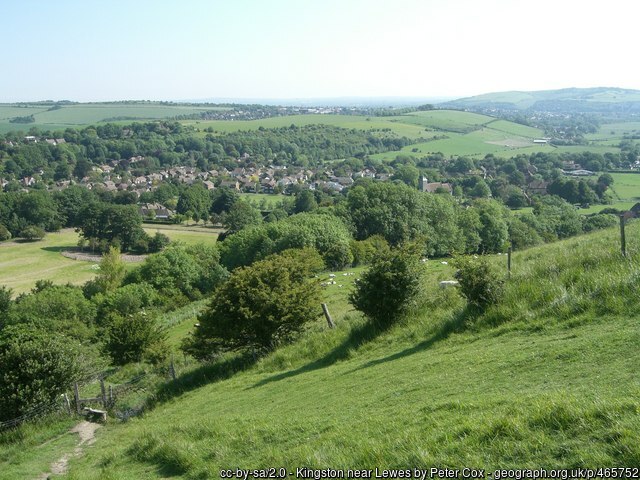
The South Downs
For the walker. these homely downs are an irresistible challenge. The South Downs Way is a very popular walking route. For others, with no destination in mind and with all the time in the world to wander and enjoy, what better than to explore the local Sussex downland villages. You will discover byways, twittens and footpaths. There will be cottages with flint faced walls, their front doors opening directly to the street, half covered with hollyhock, clematis, roses and the sweet smell of honeysuckle.
Recently we stayed in one such village, Kingston, near Lewes in East Sussex, nestling under the downs (photo above). It has been made a Conservation Area within the South Downs National Park. The village has 23 listed buildings, including its church and pub.
Face to face with Nature on the vast hills at eventide, who does not feel himself near to the Unseen?
W.H.Hudson author of ‘Nature in Downland’
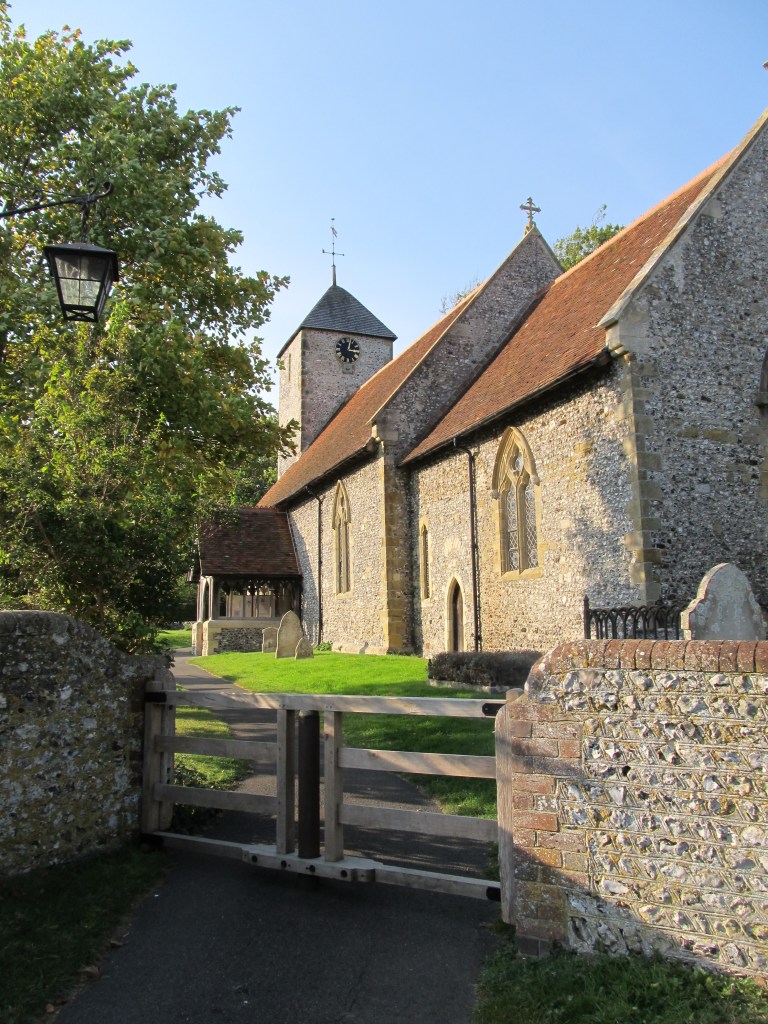
Those who have been on these hills will find a peace and inner stillness that is deeply calming. Down here in this quiet 15th century church of St Pancras in Kingston is a place for quiet and reflection. To remember the Creator and Sustainer of these hills and meet with him in prayer. It was to the hills that Jesus went in order to pray. I am thankful for the genius of the Church of England to see that there is a local house of prayer, a parish church, in every community.
O Sabbath rest by Galilee!
From the hymn: ‘Dear Lord and Father of mankind’
O calm of hills above,
Where Jesus knelt to share with Thee
The silence of eternity,
Interpreted by love.
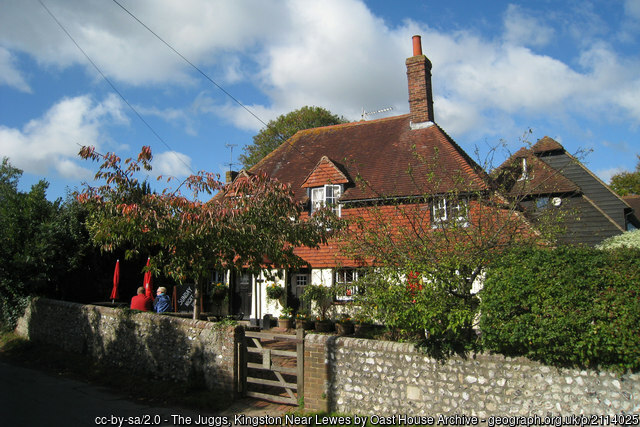
The Juggs, Kingston
This is a 15th Century Grade II listed building. The name Juggs is linked to the baskets of fish that fisher-women from Brighton used to carry on their way to the market in Lewes. The trackway over the downs is still called Juggs Lane. In places like this traditions are treasured. This pub still sells local ales where, in the past, Sussex stories would have been told and Sussex songs sung. The spirit of Old England lives on here.
This is the domain of horse riders and walkers many of them on their way up on to the South Downs Way on the ridge above the village.
East Sussex
Three miles away is the ancient county town of Lewes. A popular market town, with an old world feel . The town was the site of the Battle of Lewes in 1264, and includes Lewes Castle, Lewes Priory and Anne of Cleves’ House.
Just down the Ouse valley is the quiet little Southease church with its Saxon round tower. Further east is Glyndebourne with its opera house and Firle Beacon. Then, beautiful Alfriston village with its ancient clergy house and parish church, often called ‘the cathedral of the downs’.
Sussex Downland Villages
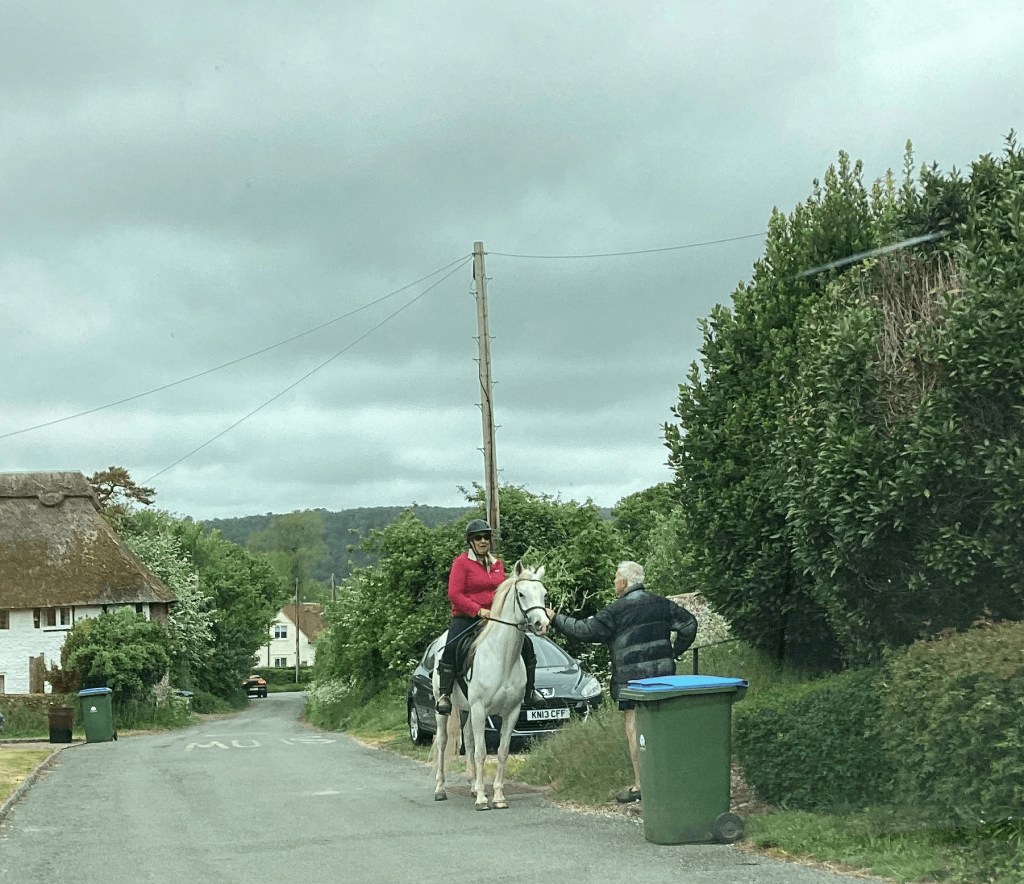
Both East and West Sussex are full of quaint old villages where life runs at a slower pace. A place where you can still ride a horse stopping every now and then to chat with friends by the roadside. Yet the dustbins are still collected and cars are welcome if they are well behaved!
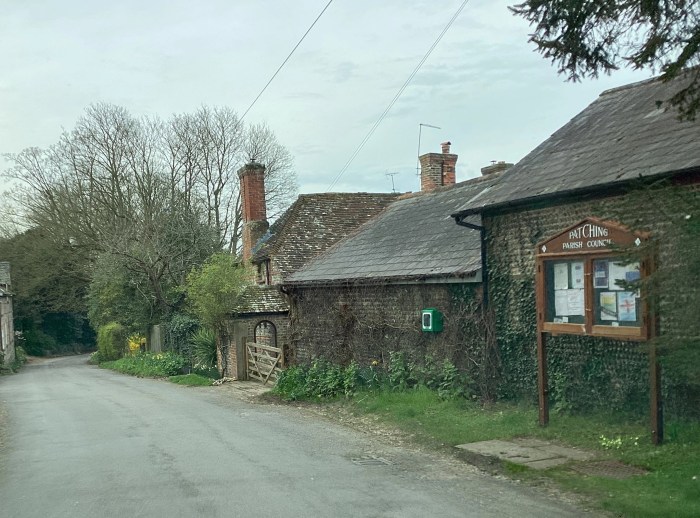
As you stroll, looking at thatched cottages with their little gardens, you pause to read the parish noticeboard and see some of the activities in this community. Typical Sussex flint stone walls are everywhere. Mining the local flint on the chalk hills was once an important industry.
Having lived now in glorious Sussex for the past 19 years we feel we belong here. We are indeed grateful to have found our home – in Sussex by the sea:
‘God gives all men all earth to love,
From ‘Sussex’ by Rudyard Kipling,
But since man’s heart is small,
Ordains for each one spot shall prove
Beloved over all.
Each to his choice, and I rejoice
The lot has fallen to me
In a fair ground—in a fair ground—
Yea, Sussex by the sea!
 A Listening Heart
These look like beautiful little villages Richard, amid sweeping scenery, thanks for sharing more of your world with us.
LikeLike
Thank you, Andrea. We are so grateful to live with these lovely South Downs on our doorstep. Britain is full of beauty.
LikeLiked by 1 person